

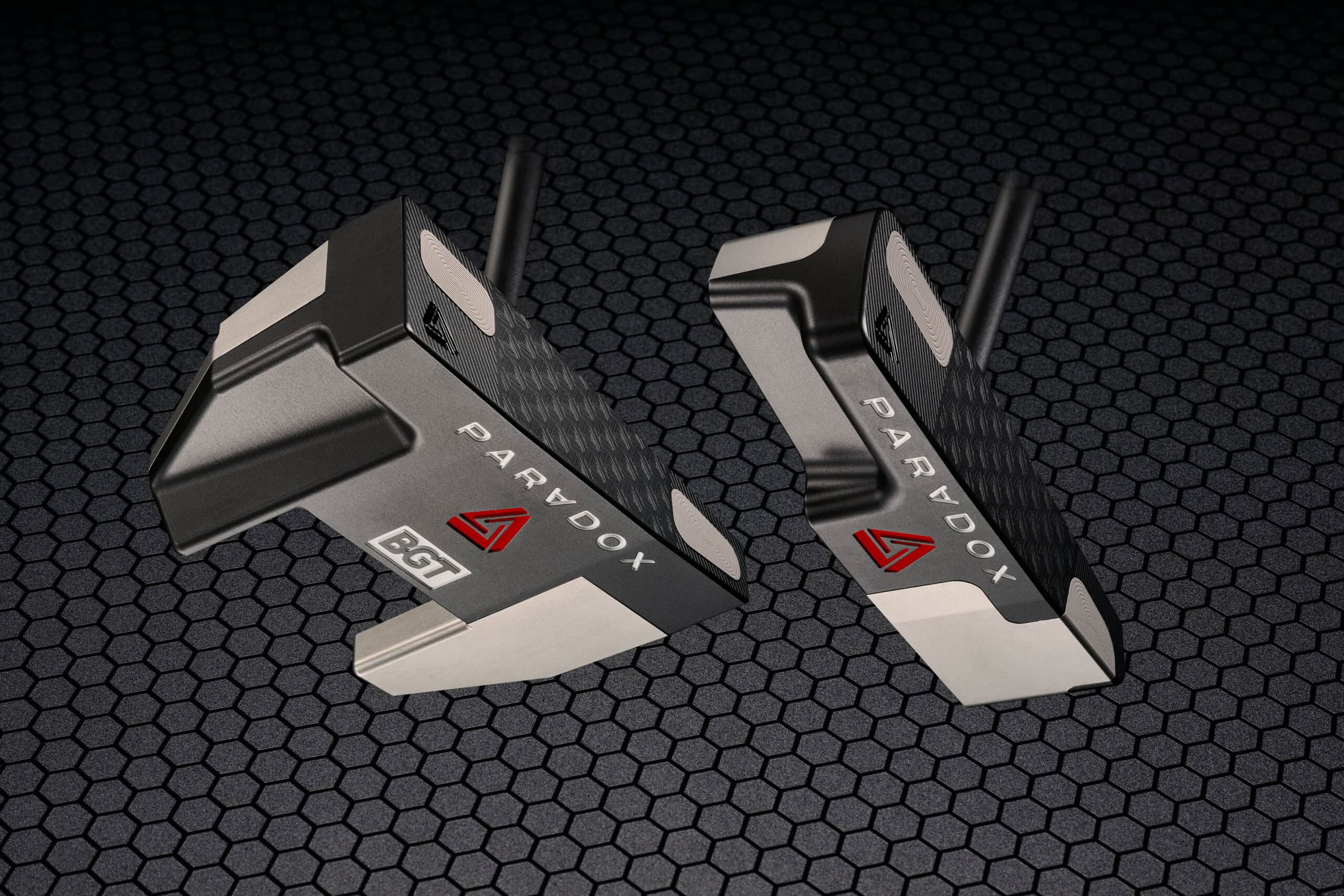
Choosing a putter is one of the most personal decisions in golf. Unlike drivers or irons, where distance and forgiveness often dominate the conversation, a putter lives almost entirely in the realm of feel, confidence, and consistency.
Among the many design variations, the debate most golfers eventually face is mallet putter vs blade putter. Each has a distinct history, design philosophy, and performance profile, and understanding these differences can meaningfully improve your putting.
This article breaks down how mallet and blade putters differ, who each style is best suited for, and how to choose and use them effectively.
At the simplest level, the difference between mallet and blade putters comes down to head shape and weight distribution.
A blade putter has a narrow, traditional shape, typically heel-toe weighted, with a compact profile. It looks clean and minimal at address, often with a single alignment line or none at all.
A mallet putter has a larger head, often extending back from the face. Its size allows engineers to move weight farther from the face and center, increasing stability and forgiveness.
This structural difference affects everything from alignment to stroke mechanics to how mistakes are punished or forgiven.
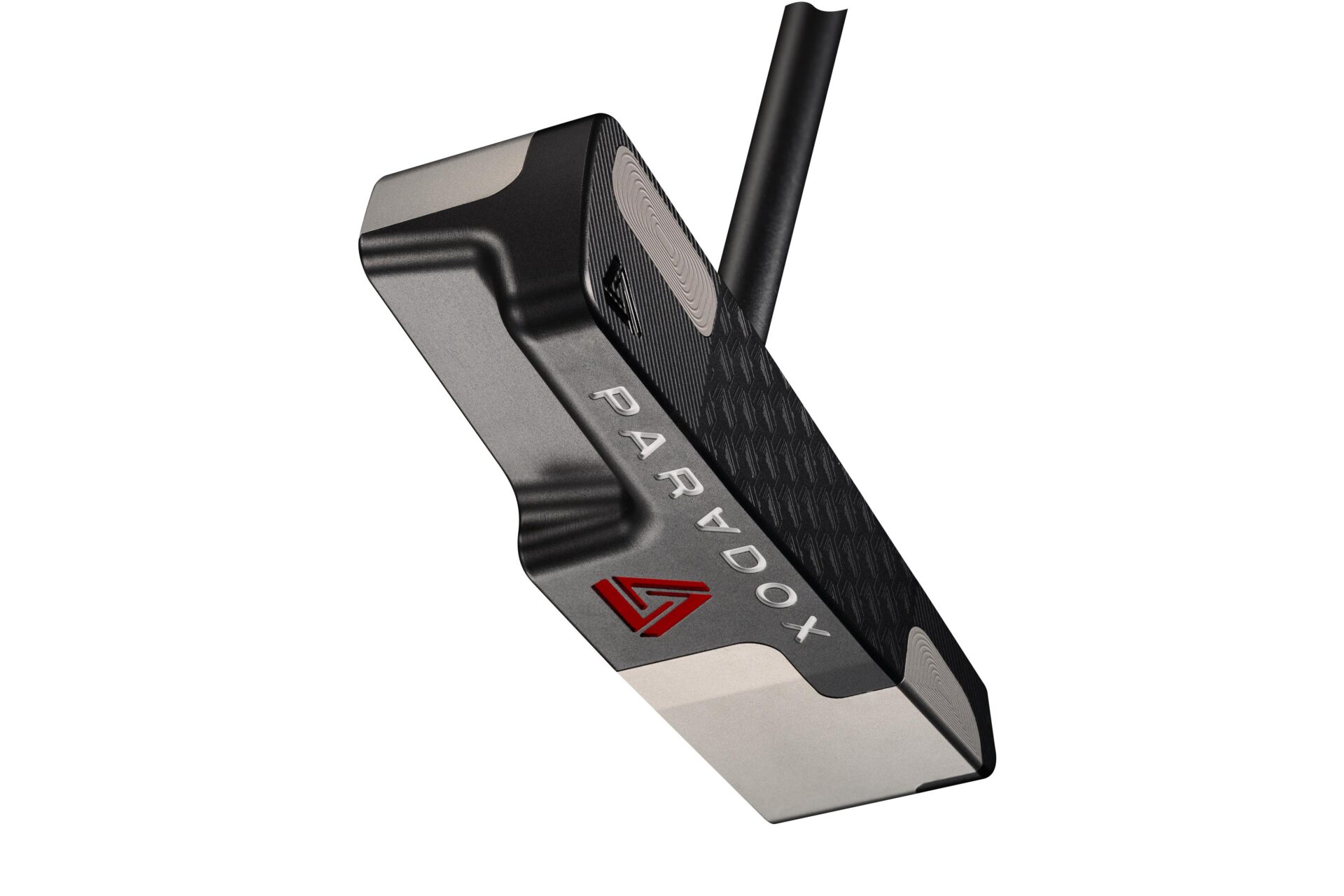
Blade putters are the classic choice, rooted in the early history of golf. Many golfers are drawn to them for their simplicity and responsiveness.
Blade putters excel in feedback and touch. Because the head is smaller and less forgiving, you feel exactly where the ball contacts the face. For skilled putters, this feedback is invaluable, it allows subtle adjustments to distance control and face angle.
They also tend to suit players who prefer a strong sense of control. The head feels lighter and more maneuverable, which many golfers associate with finesse rather than correction.
Blade putters are generally better for golfers with an arc-style putting stroke. Since most blade designs have more toe hang, they naturally open and close during the stroke, matching the natural arc created by many players.
If your stroke feels more like a gentle inside-to-square-to-inside motion, a blade putter often feels intuitive rather than forced.
Blade putters shine on:
They are also visually appealing to players who dislike bulky designs or excessive alignment aids.
The downside of a blade putter can be consistency on mishits. Off-center strikes lose speed and direction more noticeably than with a mallet. For golfers who struggle with consistent contact or alignment, blades can expose weaknesses rather than hide them.
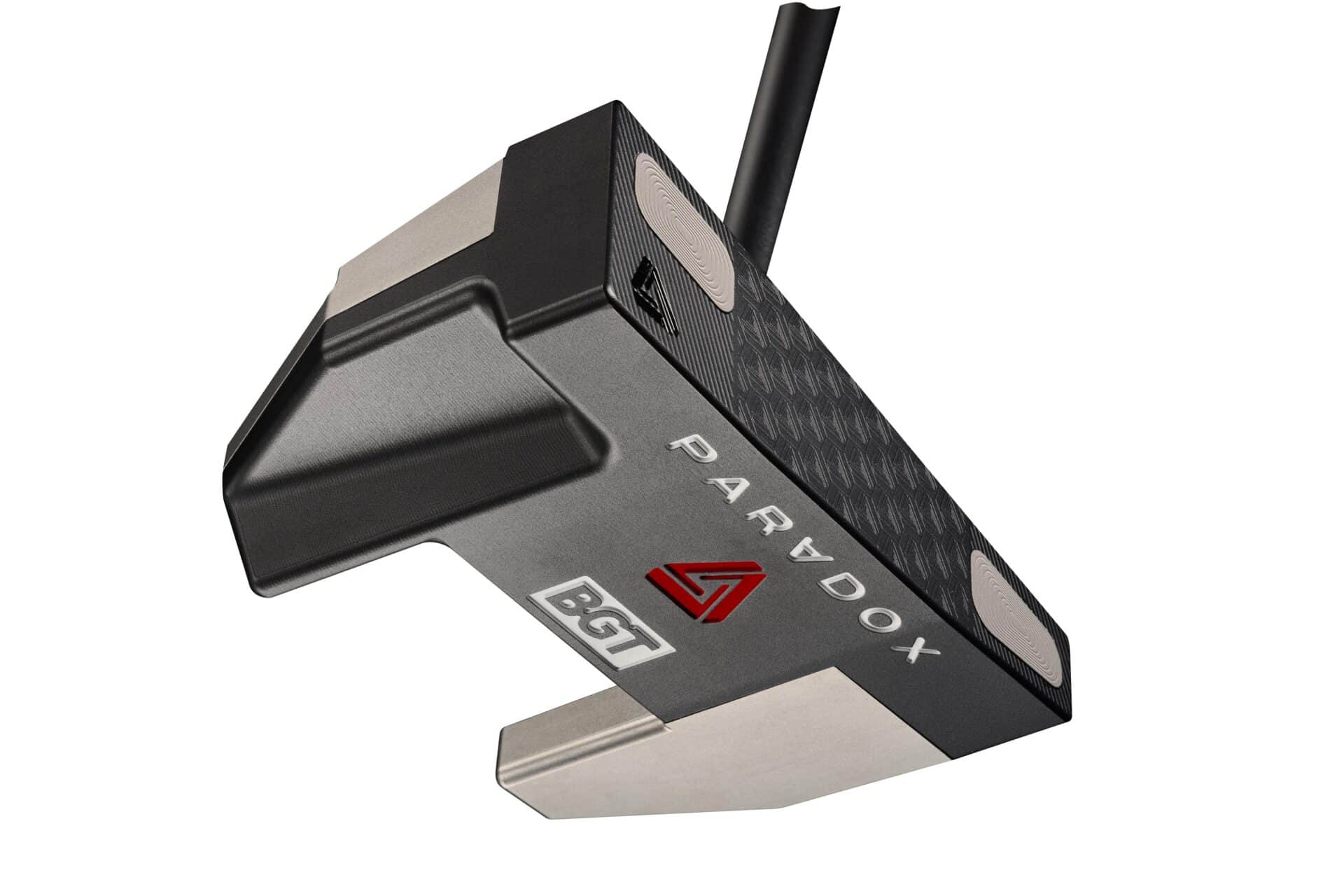
Mallet putters are the product of modern design philosophy. Their primary goal is to make putting more forgiving and repeatable.
The defining advantage of a mallet putter is forgiveness. The larger head allows weight to be pushed to the perimeter, increasing resistance to twisting on off-center hits. This means the ball rolls more consistently even when contact isn’t perfect.
Many golfers also find mallets easier to aim. The head shape often includes bold alignment lines, contrasting colors, or geometric cues that frame the ball clearly at address.
Mallet putters are often ideal for golfers with a straight-back, straight-through stroke. Many designs are face-balanced, meaning the face points upward when balanced, encouraging minimal rotation during the stroke.
If you feel like you “push” or “pull” putts with a blade, a mallet may help quiet your hands and stabilize the face.
Mallet putters excel at:
They are especially helpful for players who struggle with alignment or tempo, as the head design promotes smoother motion.
Some golfers find mallet putters lack feel. The larger head and increased forgiveness can mute feedback, making it harder to fine-tune distance on very fast greens.
Others simply dislike the look. Confidence matters immensely in putting, and if a mallet looks awkward to you, its benefits may be offset by hesitation or discomfort.
Rather than focusing on handicap alone, the best way to choose between a mallet and blade putter is to examine your tendencies.
If you often miss putts because of:
A mallet putter can reduce these errors and improve overall consistency.
If you miss putts because of:
A blade putter may restore feel and simplify your stroke.
Your typical playing conditions should influence your choice.
On fast greens, blade putters often feel superior because they allow delicate touch and easy speed modulation. Many experienced golfers switch to blades for tournament conditions where greens are firm and quick.
On slower or inconsistent greens, mallet putters shine. Their stability helps maintain roll even when grass or moisture interferes with clean contact.
Some golfers even rotate between styles depending on season and course conditions.
If you play a blade putter, success depends on discipline and consistency.
Focus on:
Blades reward a repeatable stroke. Avoid trying to “guide” the ball; trust the face and let your stroke flow.
With a mallet putter, the key is letting the design do its job.
Focus on:
Mallets work best when you avoid excessive wrist action and allow the head’s inertia to promote consistency.
Perhaps the most overlooked aspect of putter choice is confidence. Putting is as mental as it is mechanical. The putter you trust is often the one you perform best with, even if another model looks better on paper.
Blade putters often appeal to golfers who see themselves as “feel players.” Mallet putters often appeal to golfers who value structure and repeatability. Neither mindset is better, what matters is which one aligns with how you approach the game.
The mallet vs blade putter debate has no universal winner. Blade putters offer unmatched feel, precision, and tradition, while mallet putters deliver forgiveness, stability, and alignment assistance. Both can produce elite results when paired with the right stroke and mindset.
The smartest approach is to evaluate how you putt, not how you want to putt. Choose the style that complements your natural motion, your typical greens, and—most importantly—your confidence standing over the ball.
In putting, belief and comfort often matter more than design alone.


