
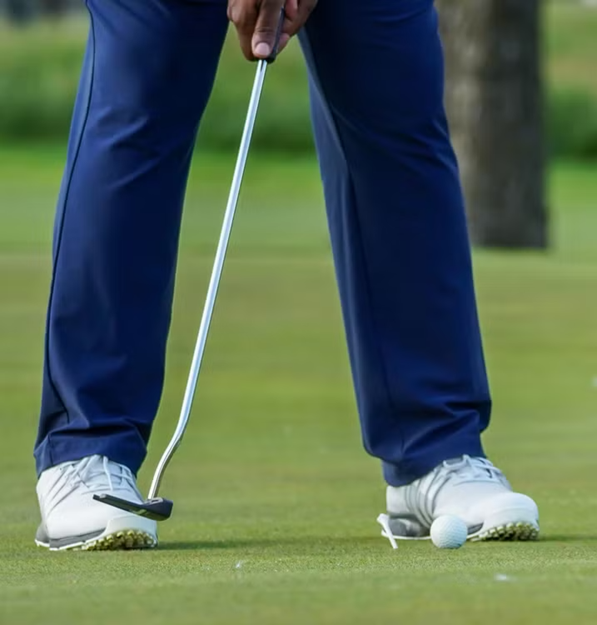
It may be a great feeling when your approach shot lands amazingly close to the hole. What’s not a great feeling is missing a short putt. And guess what, every golfer has been there before.
While frustrating, missing short putts is a reality for all golfers at some time or other, but the truth is that also improving your short putting accuracy is one of the most effective ways to lower your score. Plus, it feels great when you don’t miss, of course.
With that said, there are tons and tons of golf putting tips out there, but shedding some light on another few won’t hurt. Here are two critical tips that, if you keep to them, should help you lower your scores.
Follow Through Every Time
Where you aim your putter face is the single critical point in where the putt is going to go, of course taking into account the grain direction and lay of the green. But what’s also important is following through on the putt every single time, no exceptions.
Square the putter face, and keep your body very still. When you commit to the stroke, it’s tempting to look almost immediately to see if the putt is going where you want it to go. But this is a flaw in the putt sequence.
Looking up right away adds unnecessary movement (more on that in a second) and can interrupt the putt, resulting in unsquare contact at the moment of impact. Anticipation, looking up and away from the putt too soon can introduce inaccuracy.
Keep yourself fully still and attentive to the putt until the putter has made contact with the ball and it’s already rolling. Only when your swing is complete and the ball has left the putter face should you move any other part of your body, including your head.
Then you can look up and check the accuracy of the putt.
Keep Moving Parts to a Minimum
Start by planting your feet firmly on the ground, then check the direction in which you’re aiming the putter. Make adjustments if you need to, but once you’re ready to start your backswing, you should not move any part of your lower body.
Unlike a full golf swing, putting is completely an upper body activity, and the fewer parts of you that move, the better. Watch experienced golfers and you will see that their lower body is effectively completely still when putting, including their hips.
Swaying during the putt is a common problem for lots of problems. Putting simulators and training aids can help you identify issues like this so you can address them when you’re actually playing.
Even excessive movement in your wrists (or any, depending on whom you ask) can also be a problem. Rotating your upper body and keeping your arms and wrists effectively fixed can also help mitigate minor aberrations that result in inconsistency and inaccuracy when putting.
The bottom line is that your feet should stay firmly planted on the ground and you should strive to keep your lower body as still, and the swing of your upper body as consistent as possible with every putt.
Bonus: Read and Reflect on Every Putt
Don’t just square up and putt without reading the green first. Experienced golfers will often walk completely around the ball, even around the hole, to see the grade of the green and to pick up on other factors that can influence the direction of the putt.
After the putt you should also reflect on what went well and what didn’t, if you missed. Every putt is a learning opportunity to key in on what you’ve done well just as much as it is to identify and rectify anything you’re doing wrong that could be costing you accuracy on the green.
Considering Trying a New Putter Shaft?
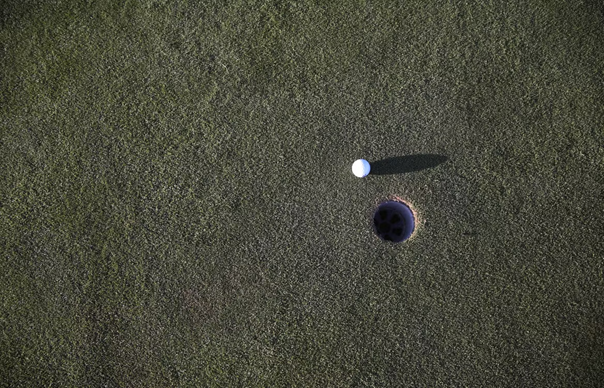
Stability putter shafts are designed to reduce unwanted shaft movement during the putting stroke. With extremely low torque and a more stable structure than traditional steel, Stability helps reduce shaft deflection and supports more consistent face delivery at impact.
The result is a putter shaft built to help golfers improve consistency without forcing them to change their natural stroke.
If you are looking for better feel, improved stability, and more reliable putts, learn more about Stability putter shafts or contact us with questions about which model is right for your game.


