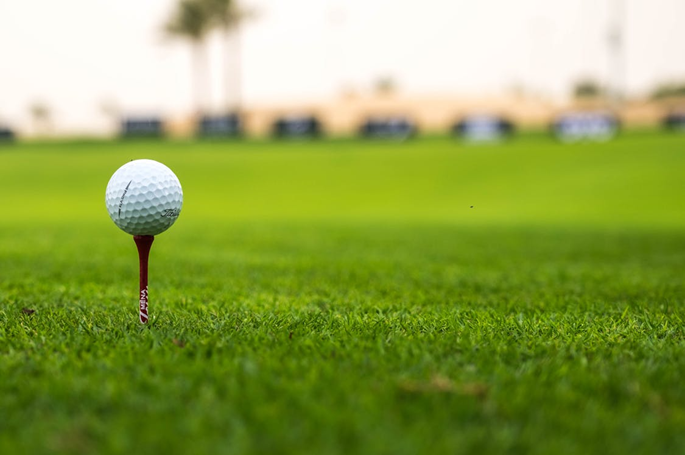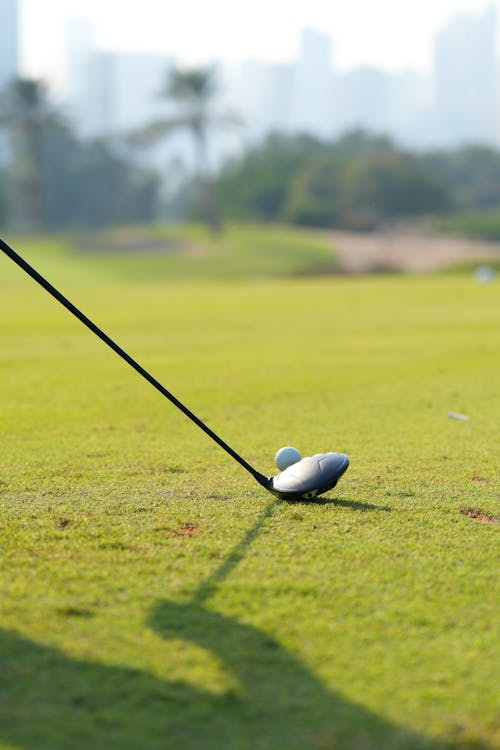
Spin and launch angle are two of the biggest factors in driver and fairway wood performance. They influence how high the ball flies, how long it stays in the air, how much it carries, and how much control a player has from shot to shot.
That is why wood shafts, including Forta, are available in different flex and performance profiles. There is no single driver shaft that works for every golfer. The right shaft depends on swing speed, tempo, delivery, feel preference, and the club head it is paired with.
The goal is to find the right balance of speed, launch, spin, and dispersion.
What Is Spin?
Spin refers to how much the golf ball rotates after impact.
With woods, spin has a major impact on carry distance, trajectory, and control. The right amount of spin helps the ball stay in the air and carry farther. Too much spin can cause the ball to climb too high, lose distance, reduce rollout, and make misses more noticeable.
Spin is not created by the shaft alone. It is influenced by the full club build and the golfer’s delivery, including clubhead speed, loft, angle of attack, impact location, face angle, and shaft profile.
A golf shaft can influence spin by affecting how the club is delivered at impact.
Why Spin Matters
For some golfers, a little more spin can help create better carry. It can help the ball launch, stay in the air, and travel farther. For others, too much spin can become a problem. It can cause the ball to balloon, climb too high, and fall out of the air with less rollout.
That is why spin control matters. The goal is not always to create the lowest spin possible. The goal is to create the right amount of spin for the player.
What Is Launch Angle?
Launch angle is the angle at which the ball leaves the clubface.
A higher launch angle can help golfers get the ball in the air more easily and create more carry distance. A lower launch angle can create a more penetrating flight and may help players control trajectory and reduce ballooning.
Like spin, launch angle is influenced by more than just the shaft. The driver head, loft setting, impact location, ball position, swing speed, and angle of attack all play a role.
The shaft can influence launch by affecting how the club loads, unloads, and presents the clubhead at impact.
Higher Launch Is Not Always Better
A higher launch can be helpful, but only to a point. If the ball launches too high, especially with too much spin, it can cost distance and control. The shot may look like it gets up quickly, but it may not carry efficiently or roll out once it lands.
On the other hand, a launch that is too low may not give the ball enough time in the air, especially for players who need help creating height and carry.
Finding the Right Ball Flight
The goal is not always to launch it higher. It is not always to spin it less. The goal is to create a ball flight that performs.
For some golfers, that means more height and carry. For others, it means a flatter, more penetrating flight. For many players, it is somewhere in between.
The right shaft should help the player produce launch and spin numbers that work together, not fight each other. When launch and spin are properly matched, the result is better carry, better control, and more consistent distance.
That is why fitting matters. The right driver shaft profile is not based on ego, age, or a flex label. It is based on how the golfer delivers the club and what ball flight gives them the best performance.
Flex Is Only Part of the Story
Shaft flex matters, but it is not the whole story.
Two driver shafts with the same flex rating can perform very differently. Weight, torque, bend profile, tip stiffness, balance point, and overall construction can all influence how a shaft feels and performs.
The better question is not just, “What flex do I need?”
The better question is, “What shaft profile helps me deliver the club more consistently?”
Why Fitting Matters
The golf shaft matters, but it does not work by itself. The driver head, loft, face design, ball, impact location, and player delivery all influence launch, spin, speed, and dispersion.
That is why the best way to find the right shaft is through a proper fitting. A fitter can evaluate swing speed, tempo, delivery, launch, spin, ball speed, carry distance, and dispersion. From there, they can help identify which shaft and head combination gives the golfer the best overall performance.
Forta wood shafts are designed to give golfers options based on how they swing, not just what flex label they think they need.
If you are not sure which shaft profile is right for your game, a fitting is the best place to start.