
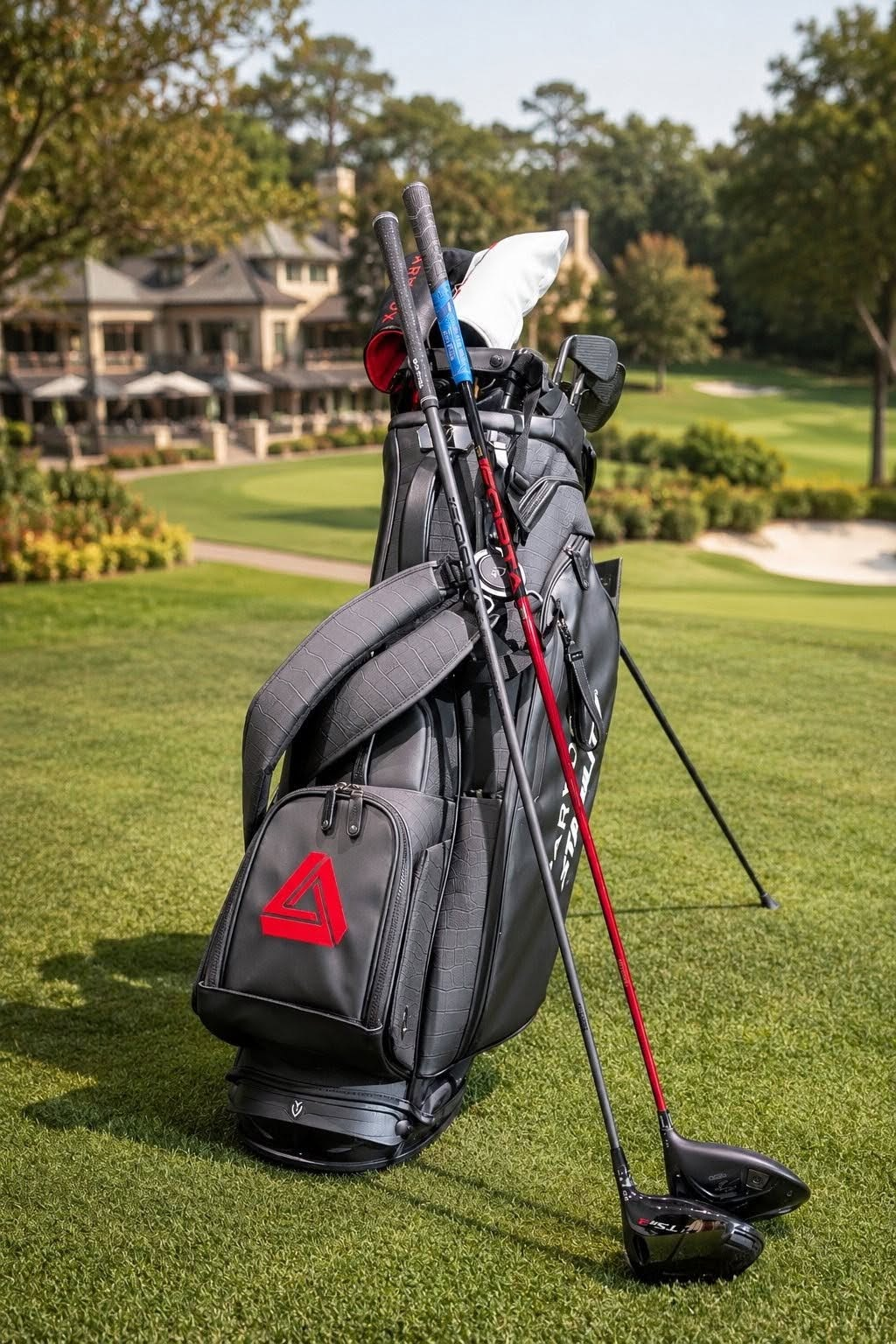
Leaving them in a hot car. Leaving them in the bag after the whole thing gets rained on. Not inspecting after a fat shot and continuing to play with the club. These are some of the things that can damage your golf clubs and shafts.
These and more are some of the ways that countless golf shafts (and clubs) around the country are damaged year in and year out. Worst, damage incurred by these and other factors is, by and large, entirely preventable.
Taking care of your golf clubs will make them last a lot longer. Here’s what you should know.
Graphite golf shafts are more susceptible to damage from extreme temperatures than steel shafts, as the epoxy that binds the fibers can break down after repeated exposure to extreme heat, or to constant, wide temperature swings.
This means that, among other things, it is inadvisable to store your golf clubs in the cab of your car or even in the trunk, especially in the summer. Storing them in a garage or shed is acceptable if the space is climate controlled, or if it won’t experience extreme temperature swings.
Steel golf shafts, and steel heads, like irons and wedges, will rust if you let them remain wet for long, or equally if you subject them to conditions that are consistently humid.
This makes it imperative that you dry them off after you play in the rain. Use your rain fly, by all means, but when you get home, make sure you take your clubs and other equipment out of your golf bag and place everything in a cool, dry place with plenty of ventilation so that it all dries off.
If you do use club head covers, make sure that you remove them if the clubs have gotten wet, because while club covers can protect the clubs on the course or in transit, if they’re wet, they’ll just trap moisture next to the club head.
Also, while graphite golf shafts are not quite as susceptible to moisture damage as steel shafts are, golf grips can still rot or develop mold or mildew if they are allowed to remain damp for an extended period of time.
The solution is simple; make sure you’re fastidious about keeping your golf equipment dry.
If you ever clean your golf clubs or shaft, warm water and a mild detergent like dish soap should be all you’ll ever need, if you even need it at all. In most cases, warm water alone should do the trick.
Never use abrasive cleaners or any sort of solvent on any golf shafts or clubs, graphite or steel. These will scratch the finish, can encourage rust on steel, and in the case of graphite, can weaken the epoxy that binds the fibers, resulting in premature deterioration.
Also, don’t ever lean on your golf clubs like they’re canes, regardless of whether the shaft is steel or graphite (although this bad habit is worse for graphite). Doing so will stress the epoxy and fibers, and can cause the feedback of the shaft to become sluggish.
Worse yet, consistent pressure on graphite golf shafts can cause delamination that can result in a cracked or broken shaft, so for obvious reasons you’ll want to avoid that.
To that end, only use your clubs as clubs; never use them to tap dirt off your shoes, or allow them to contact hard surfaces like concrete or asphalt. Also, be gentle when removing your clubs from your golf bag; draw them out vertically, and gently, applying no lateral pressure to the shaft.
There are other things you can do to extend the life of your clubs and shafts. For instance, getting a golf bag that has full-length shaft dividers will help provide a higher level of protection to your golf shafts, whether in the trunk, in the cart, or just being carried on the course.
Full-length dividers cushion each golf shaft individually and help prevent them from rattling into each other, which all things considered can be worse for graphite shafts than steel shafts. Still, it is something that should be avoided if possible and many golf bags offer this feature, making it highly accessible.
Golf club head covers are a slightly contentious topic, but all the same, they can provide a very high degree of protection to your clubs by preventing them from rattling into each other. This protects the finish of the club head as well as any precision milled grooves or other features in the club face.
Those who are against them say they trap moisture which can encourage rust or other damage, but the solution is simple. Just slip the golf club head covers on before you go to the range or course. You can always take them off when you get home so your clubs can breathe.
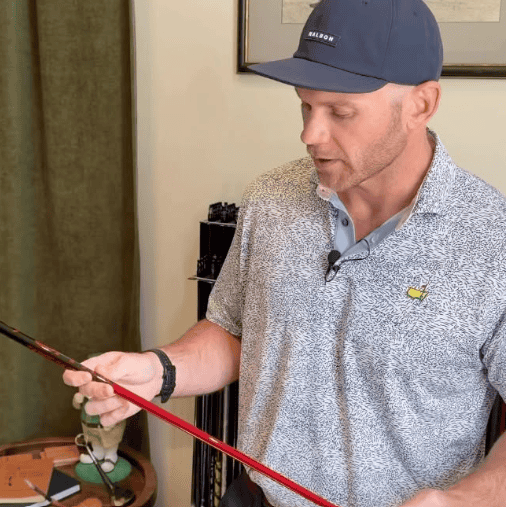
Other than what’s been covered here, it’s beneficial to check your golf clubs and shafts after each trip to the driving range or day on the course. Inspect club faces for scratches, rust, and other signs of damage, and check each shaft for scratches, too.
Graphite golf shafts can be flexed ever so slightly, which will show any weak areas, or areas where the epoxy has started to break down. If you see any fraying, splintering or delamination (areas where the fibers are separating) the shaft should be replaced as soon as possible.
Otherwise, this post covers the bulk of what constitutes responsible golf club and shaft ownership and maintenance. Hopefully you found this guide helpful; bookmark our blog for more tips like these and get in touch with us if you have more specific questions about your equipment that haven’t been answered here.


